


 login
login
NEWS & UPDATES
The IOCARIBE ANCA Network held a regional workshop to strengthen national capacities in the use of the HAEDAT database, the global platform that records harmful algal bloom (HAB) events. The session provided a practical demonstration on how to enter, edit, and retrieve information, while highlighting the importance of improving the quality and consistency of data reported across the region.

The IOCARIBE Regional ANCA Network hosted a virtual workshop dedicated to the practical use of the HAEDAT database, aiming to support Caribbean countries in the standardized reporting of harmful algal bloom events. The activity brought together national experts who learned about the platform’s key functions, its role within the global HAB information system, and the steps involved in submitting complete and accurate reports.
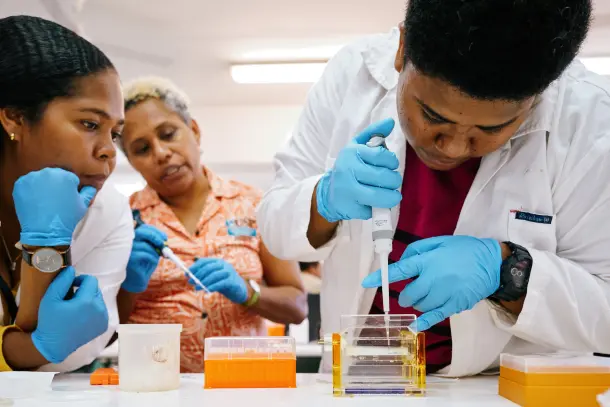
During the session, participants were guided through the essential components of HAEDAT and engaged in hands-on exercises to practice entering events, understanding mandatory fields, and reviewing data download and verification processes. The workshop also encouraged discussion on regional challenges, including the need for georeferenced information and complete environmental descriptions for each event.
The training emphasized the importance of strong inter-institutional coordination within each country to avoid duplicate entries and ensure continuity in annual reporting. Participants also reviewed recommendations to strengthen the role of national focal points and contribute to a more robust database that supports regional assessments and aligns with the upcoming relaunch of the platform.
IOCARIBE and the ANCA Network will continue working closely with Member States during 2026 to review active users, update access credentials, and support capacity development. This workshop represents an important step toward building a more prepared regional community with stronger tools for understanding and managing HAB events in the Caribbean.
By Alex Palomino
CURRENT NEWS ITEMS
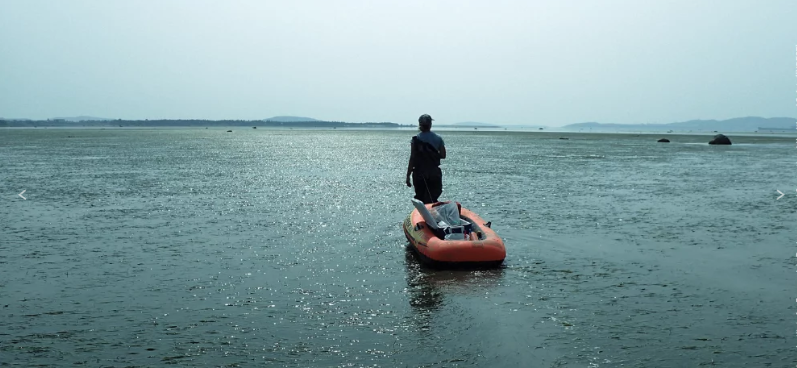
Reviving Sydney Harbour: Transforming urban seascape

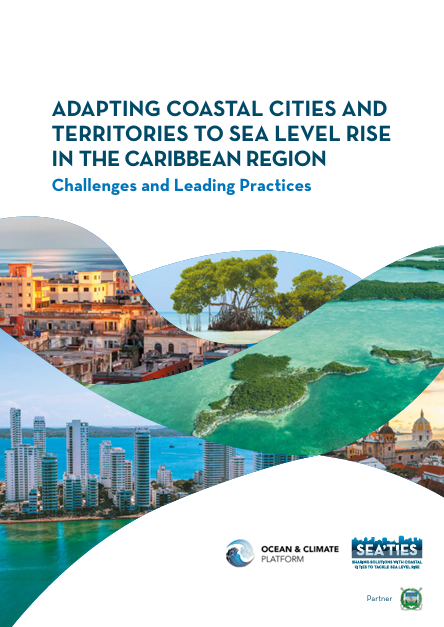
Building long-term coastal resilience under chronic climatic stress
Coastal cities and territories in the Caribbean face a complex mix of climate and development challenges…
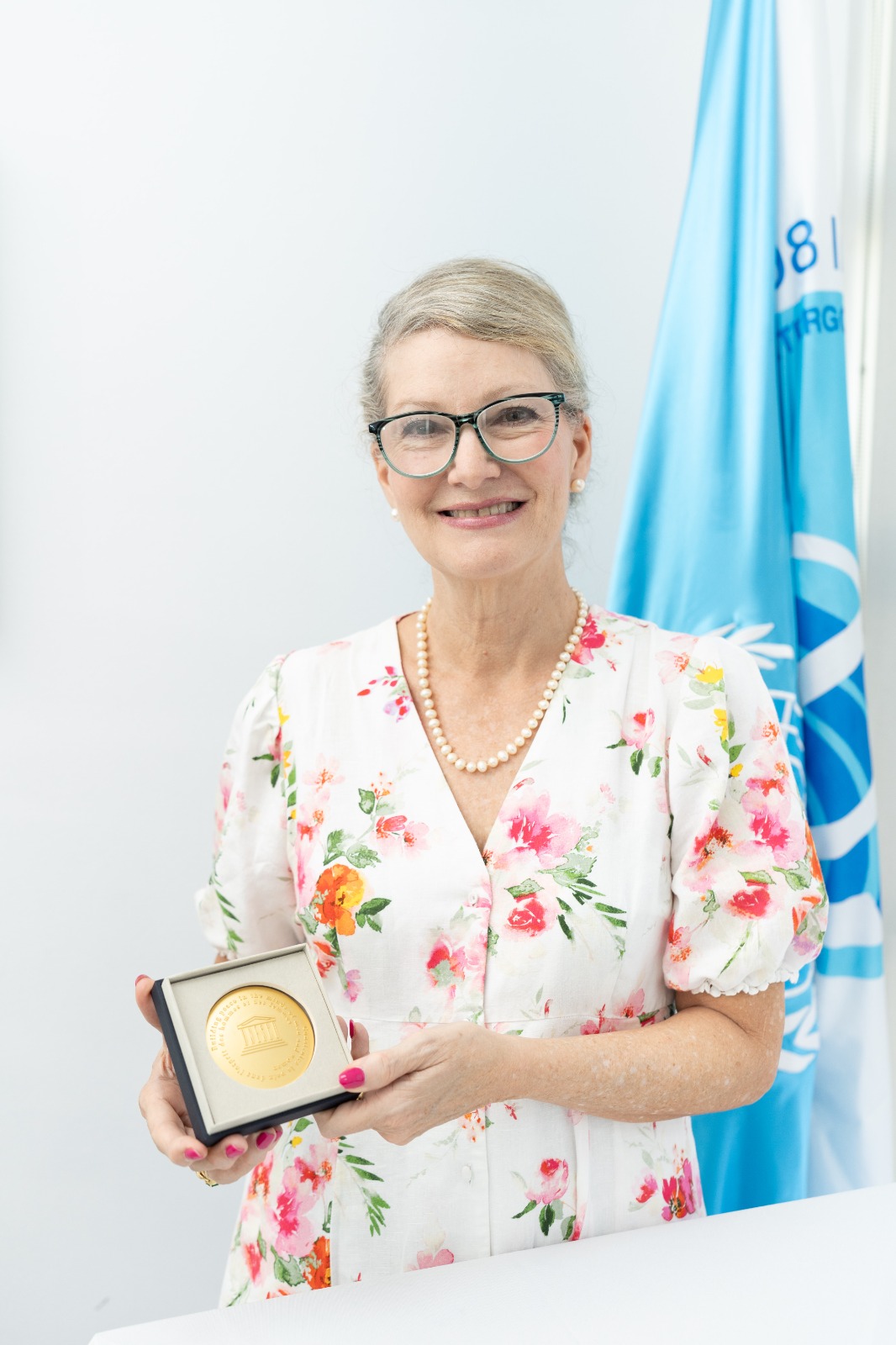
In a heartfelt ceremony, Patricia was honored with the prestigious UNESCO Medal for 30 Years of Service. This accolade is a testament to her enduring commitment to excellence and her steadfast…
 What’s Next:
- Integrating indigenous and local…
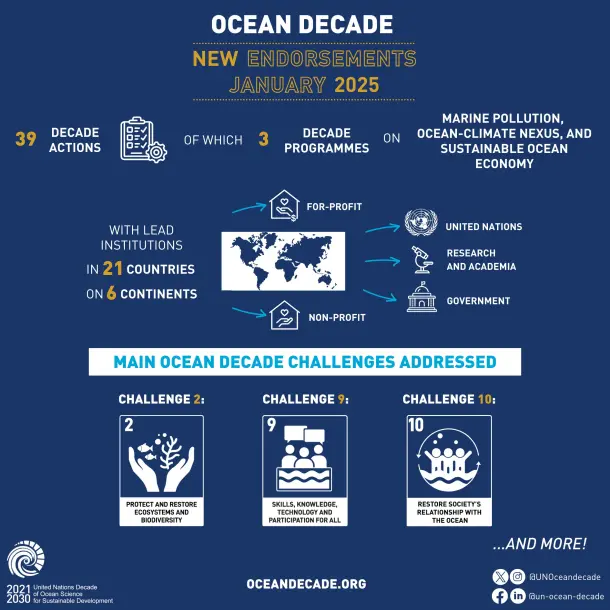
The newly recognized Decade Actions strengthen the existing portfolio of hundreds of initiatives endorsed by the Ocean Decade since 2021. With lead institutions spanning 21 countries – from…
A unified approach to Ocean-Climate-Biodiversity challenges
Ocean opportunities and challenges transcend borders, demanding collective action to unlock the economic…
Who organizes CARIBE WAVE?
A CARIBE EWS CARIBE WAVE task team is responsible for the overall conduct of the exercise. The NOAA/UNESCO IOC International Tsunami Information…
Implemented by the Intergovernmental Oceanographic Commission of UNESCO as part of the Ocean Biodiversity Information Systems (OBIS) Programme, the …
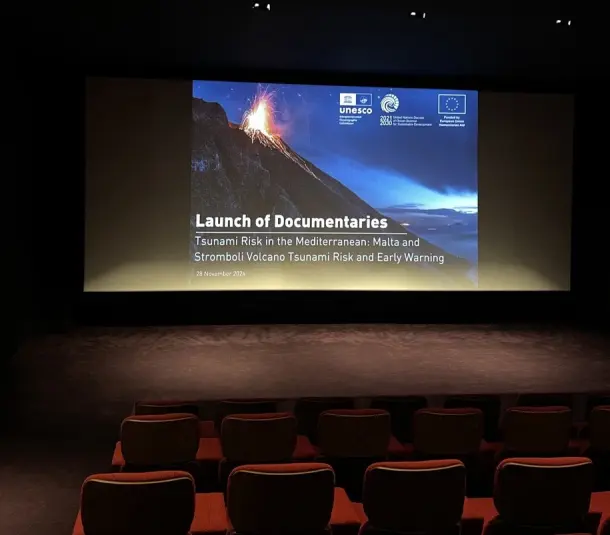
Malta: Tsunami Risk and Preparedness
The first documentary explores Malta's vulnerability to tsunamis,…