


 CONECTARSE
NEWS & UPDATES
The IOCARIBE ANCA Network held a regional workshop to strengthen national capacities in the use of the HAEDAT database, the global platform that records harmful algal bloom (HAB) events. The session provided a practical demonstration on how to enter, edit, and retrieve information, while highlighting the importance of improving the quality and consistency of data reported across the region.

The IOCARIBE Regional ANCA Network hosted a virtual workshop dedicated to the practical use of the HAEDAT database, aiming to support Caribbean countries in the standardized reporting of harmful algal bloom events. The activity brought together national experts who learned about the platform’s key functions, its role within the global HAB information system, and the steps involved in submitting complete and accurate reports.
During the session, participants were guided through the essential components of HAEDAT and engaged in hands-on exercises to practice entering events, understanding mandatory fields, and reviewing data download and verification processes. The workshop also encouraged discussion on regional challenges, including the need for georeferenced information and complete environmental descriptions for each event.
The training emphasized the importance of strong inter-institutional coordination within each country to avoid duplicate entries and ensure continuity in annual reporting. Participants also reviewed recommendations to strengthen the role of national focal points and contribute to a more robust database that supports regional assessments and aligns with the upcoming relaunch of the platform.
IOCARIBE and the ANCA Network will continue working closely with Member States during 2026 to review active users, update access credentials, and support capacity development. This workshop represents an important step toward building a more prepared regional community with stronger tools for understanding and managing HAB events in the Caribbean.
By Alex Palomino
CURRENT NEWS ITEMS
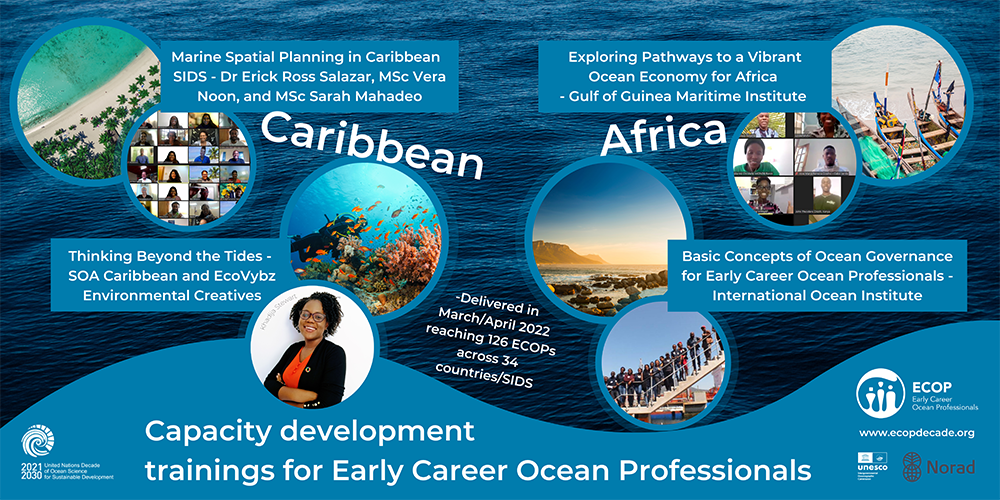
It was imperative that these training courses specifically target ocean-related issues in Africa or Caribbean SIDS and feature ECOPs based in these regions, with direct...
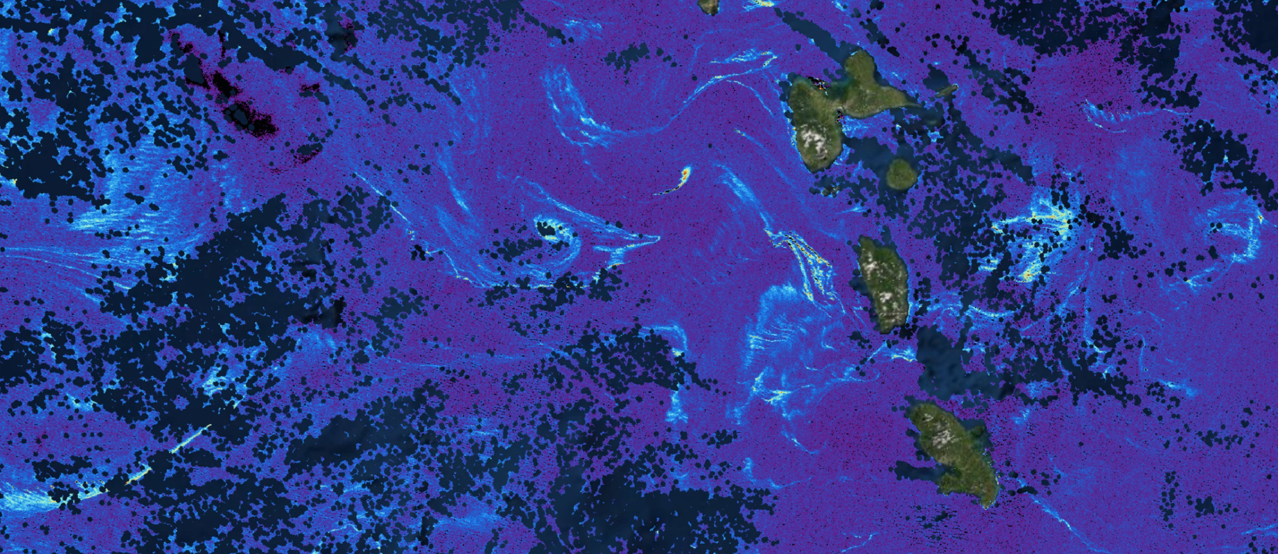
The image above is a sample of today's field of Maximum Chlorophyll Index (MCI) from ESA's OLCI Sentinel-3 sensor. The NESDIS CoastWatch Caribbean and Gulf of Mexico regional node at AOML...
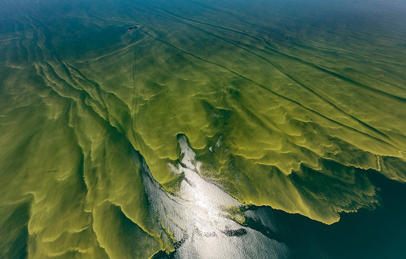
On 3 August 2014, residents of Toledo, Ohio, woke to the news that overnight their water supply had become toxic. They were advised not only to avoid drinking the water...
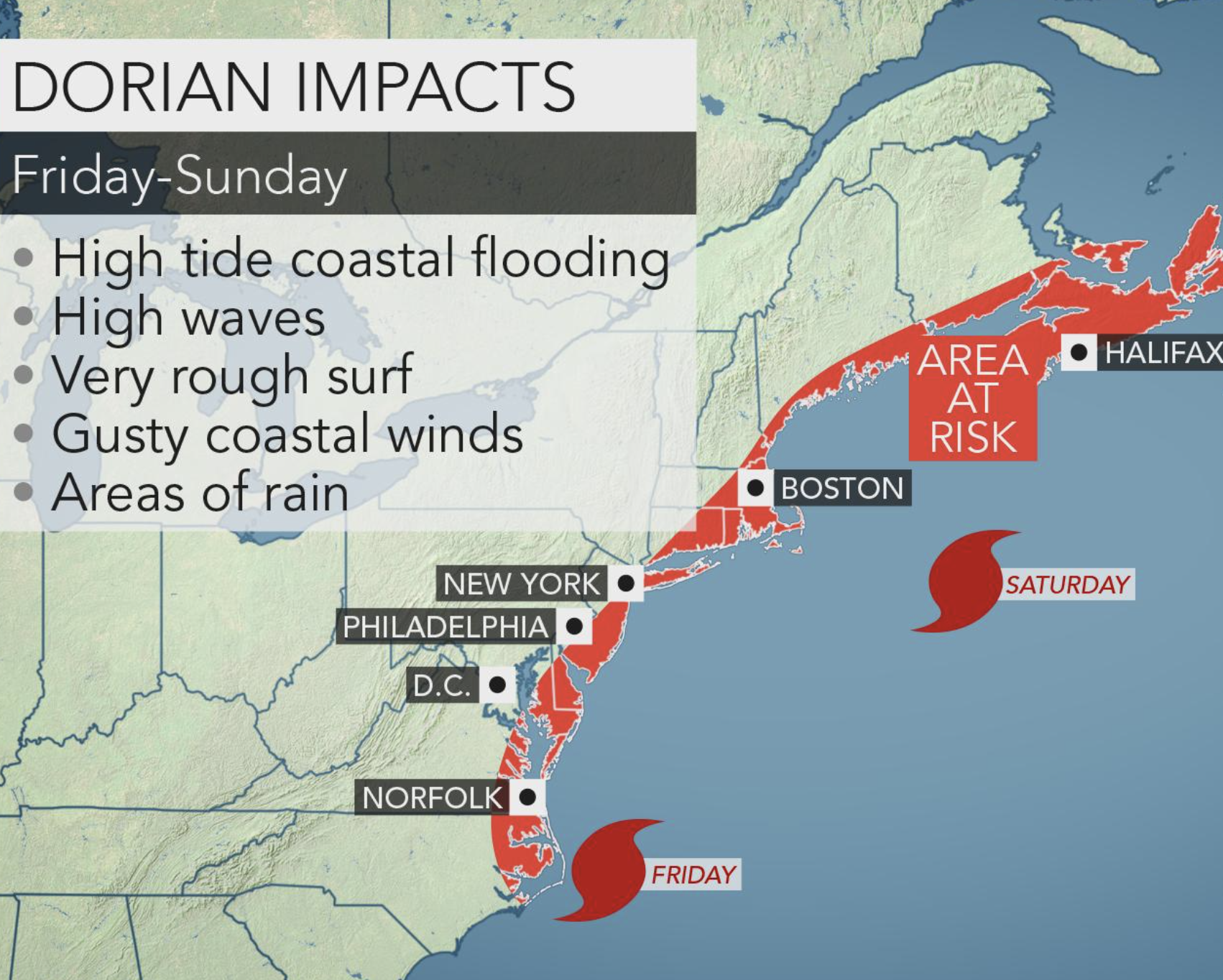
Hurricane Dorian is the fifth tropical cyclone of the season in the Tropical Atlantic, the fourth to become a tropical storm and the first to become a hurricane in 2019.
...
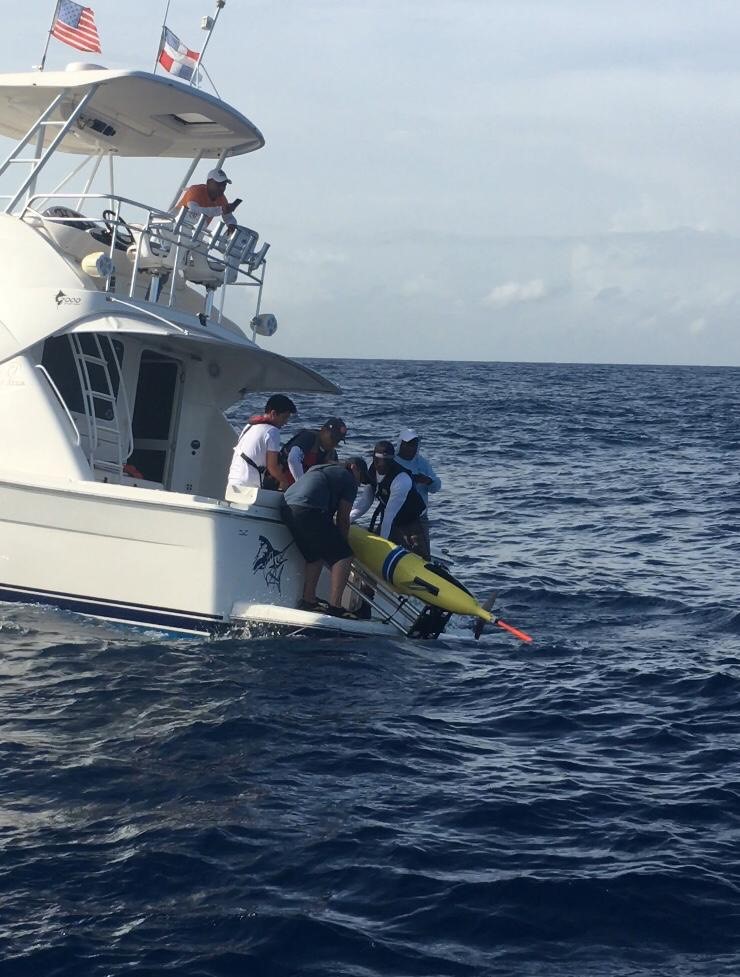
On August 15 2019 for the first time an underwater glider was launched off the coast in Dominican Republic waters, 5 miles to the south of Bocachica. The glider will monitor...
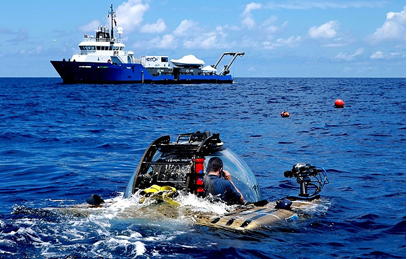
On behalf of the UNDP/GEF CLME+ Project we are requesting the assistance of your membership for the completion of this short survey. ...
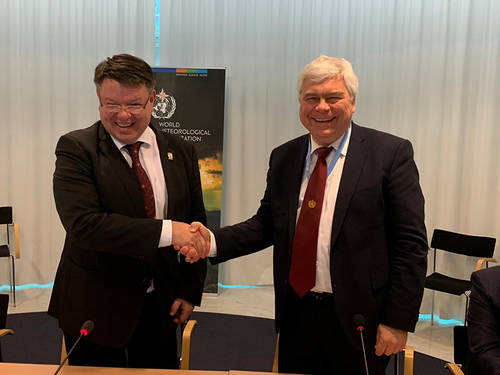
WMO Secretary-General, Petteri Taalas, and IOC Executive Secretary, Vladimir Ryabinin, signed new Letter of Agreement between their organizations.
Geneva: At a...
The IOC is an intergovernmental organization established in 1960. Its purpose is to promote international cooperation and to coordinate programmes in research, services and capacity-building, in...
In a ‘Global Change Biology’ paper, a group of scientists propose using “essential ocean variables” as part of a sustained Global Ocean Observing System. The authors argue such a method can...