


 LOGIN
LOGIN
NEWS & UPDATES
The IOCARIBE ANCA Network held a regional workshop to strengthen national capacities in the use of the HAEDAT database, the global platform that records harmful algal bloom (HAB) events. The session provided a practical demonstration on how to enter, edit, and retrieve information, while highlighting the importance of improving the quality and consistency of data reported across the region.

The IOCARIBE Regional ANCA Network hosted a virtual workshop dedicated to the practical use of the HAEDAT database, aiming to support Caribbean countries in the standardized reporting of harmful algal bloom events. The activity brought together national experts who learned about the platform’s key functions, its role within the global HAB information system, and the steps involved in submitting complete and accurate reports.
During the session, participants were guided through the essential components of HAEDAT and engaged in hands-on exercises to practice entering events, understanding mandatory fields, and reviewing data download and verification processes. The workshop also encouraged discussion on regional challenges, including the need for georeferenced information and complete environmental descriptions for each event.
The training emphasized the importance of strong inter-institutional coordination within each country to avoid duplicate entries and ensure continuity in annual reporting. Participants also reviewed recommendations to strengthen the role of national focal points and contribute to a more robust database that supports regional assessments and aligns with the upcoming relaunch of the platform.
IOCARIBE and the ANCA Network will continue working closely with Member States during 2026 to review active users, update access credentials, and support capacity development. This workshop represents an important step toward building a more prepared regional community with stronger tools for understanding and managing HAB events in the Caribbean.
By Alex Palomino
CURRENT NEWS ITEMS
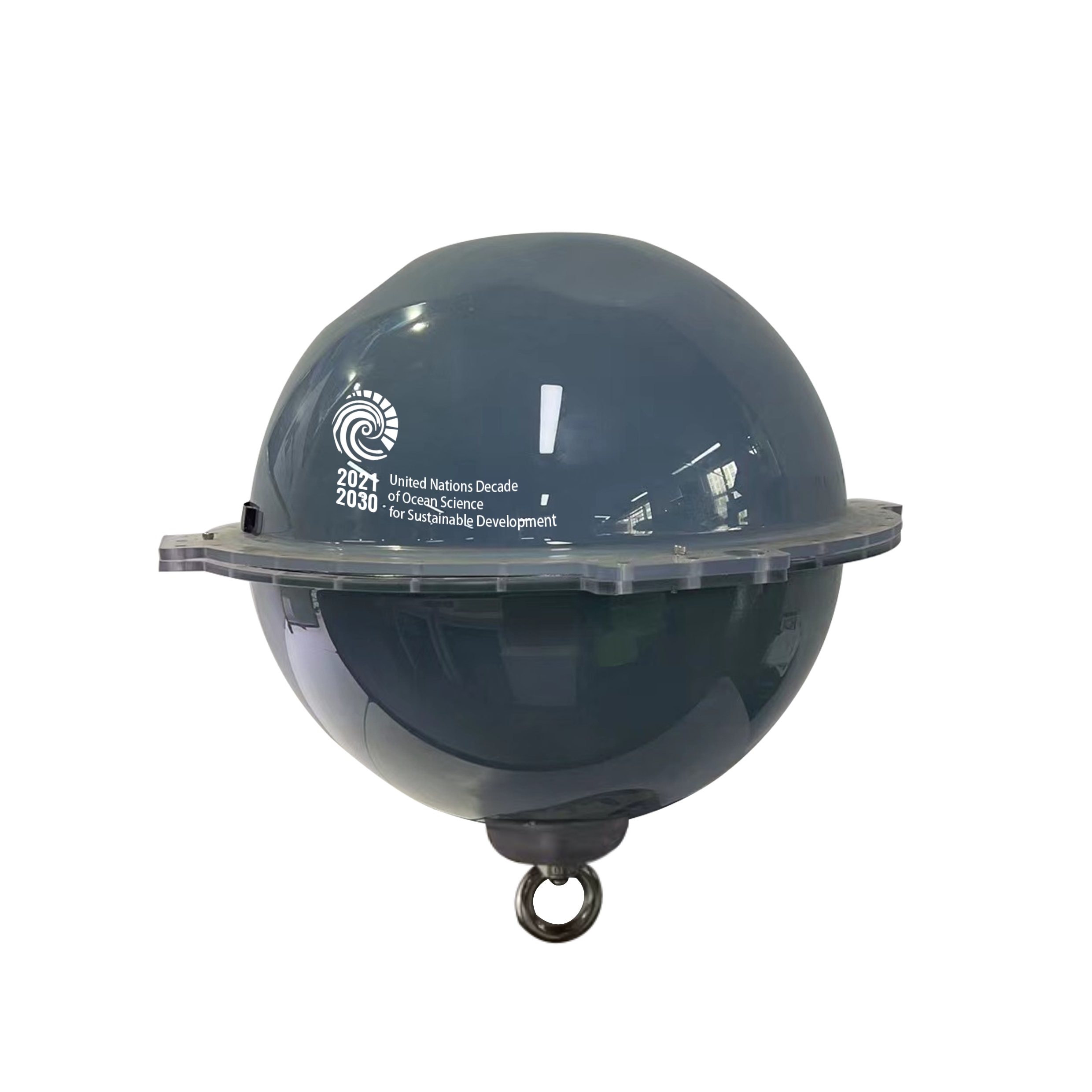
The new-generation GNSS surface drifting buoy created by Professor Fangli Qiao, Principal Investigator of the OSF Programme and Deputy Director General of FIO, and his…
All events will align with the priorities of the Egyptian Presidency of COP27 related to adaptation, mitigation, financing and collaboration, and the key messages of…
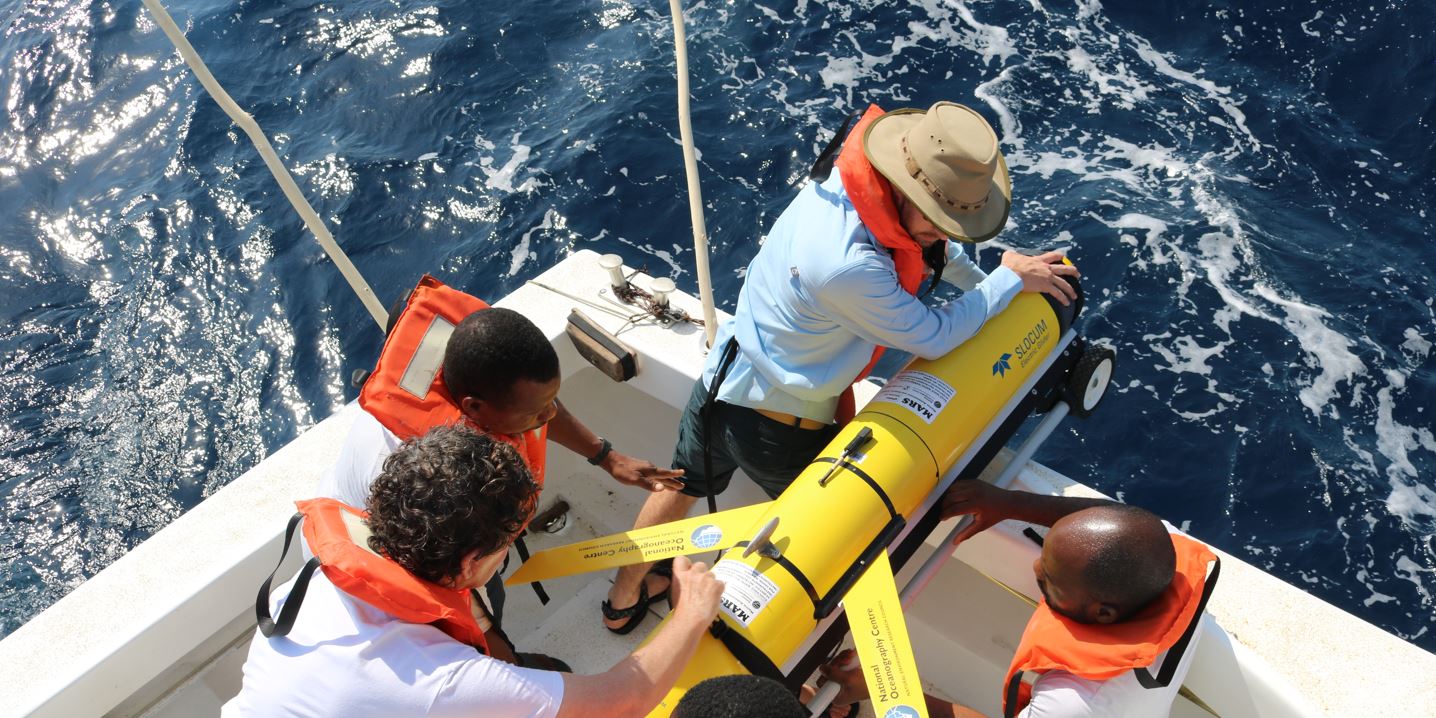
In 2022 the Report focuses on how an integrated observing network adds value to society across the three GOOS delivery areas of climate, operational services and ocean…

Building on the impact of the Ocean Decade since its launch in January 2021, the Call aims to continue addressing thematic and regional gaps and to encourage…
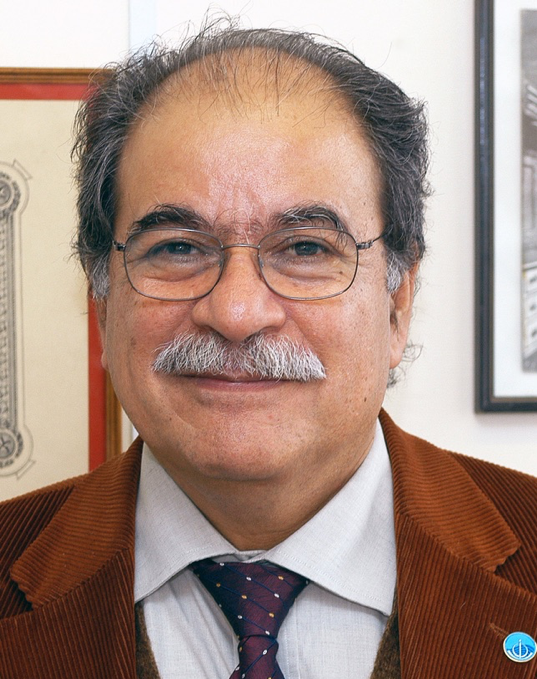
Marine biologist (Master of Science, University of Chile, 1971) and oceanographer (PhD, Scripps Institution, San Diego, USA, 1980), Dr. Bernal has made an outstanding…
The ocean is a key part of securing this future. UNESCO’s Intergovernmental Oceanographic Commission is charged by the United…
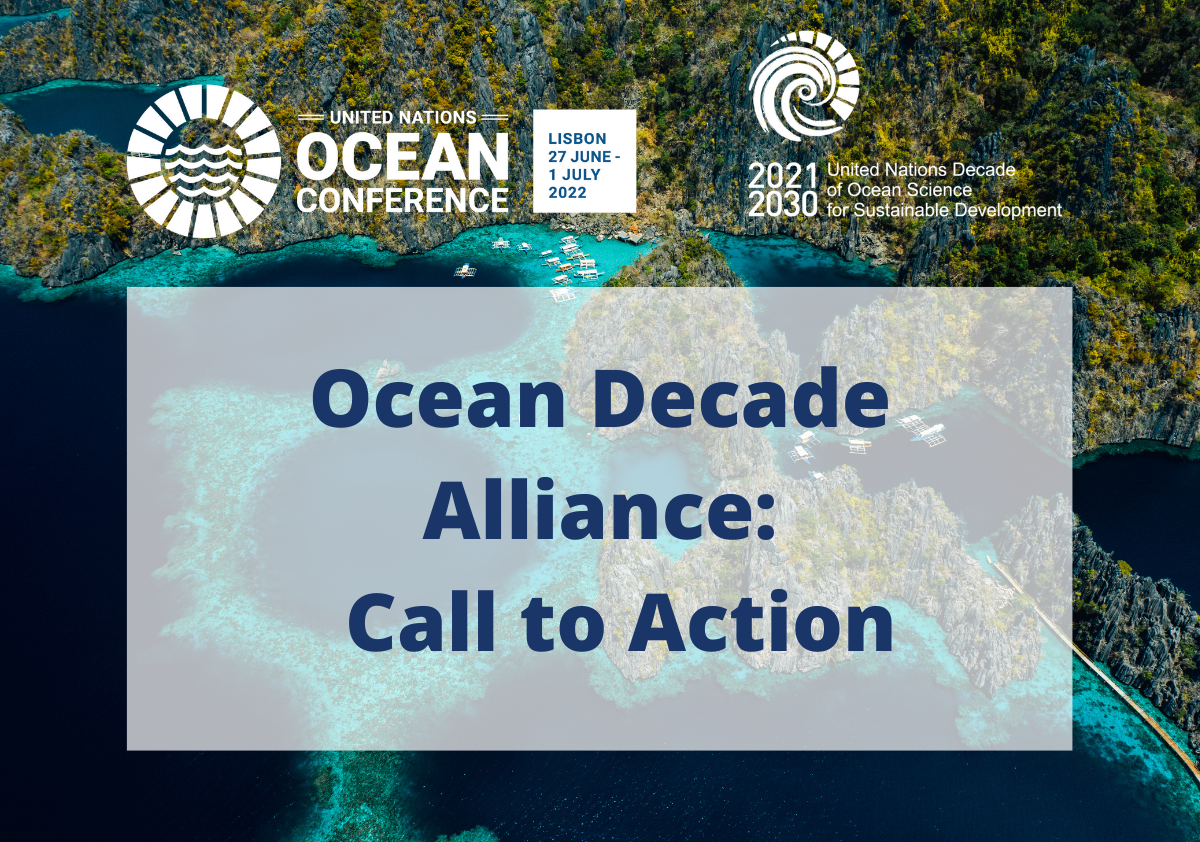
While there have been numerous achievements in ocean science in the past decades, current levels of funding are insufficient to reverse the decline of the state of the…
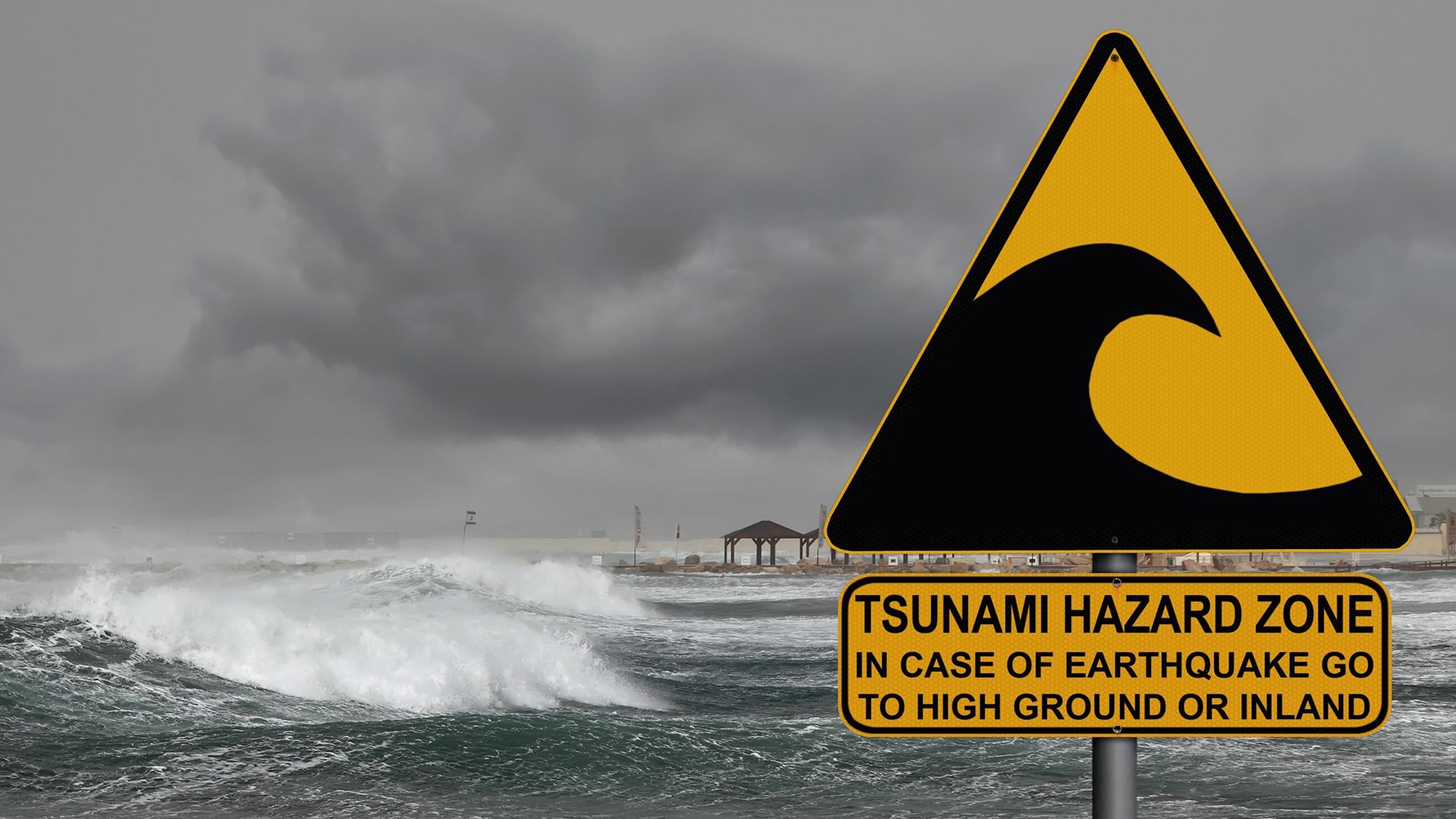
UNESCO leads the UN Decade of Ocean Science for Sustainable Development from 2021 to 2030. In this context, several international summits are organized this year to…
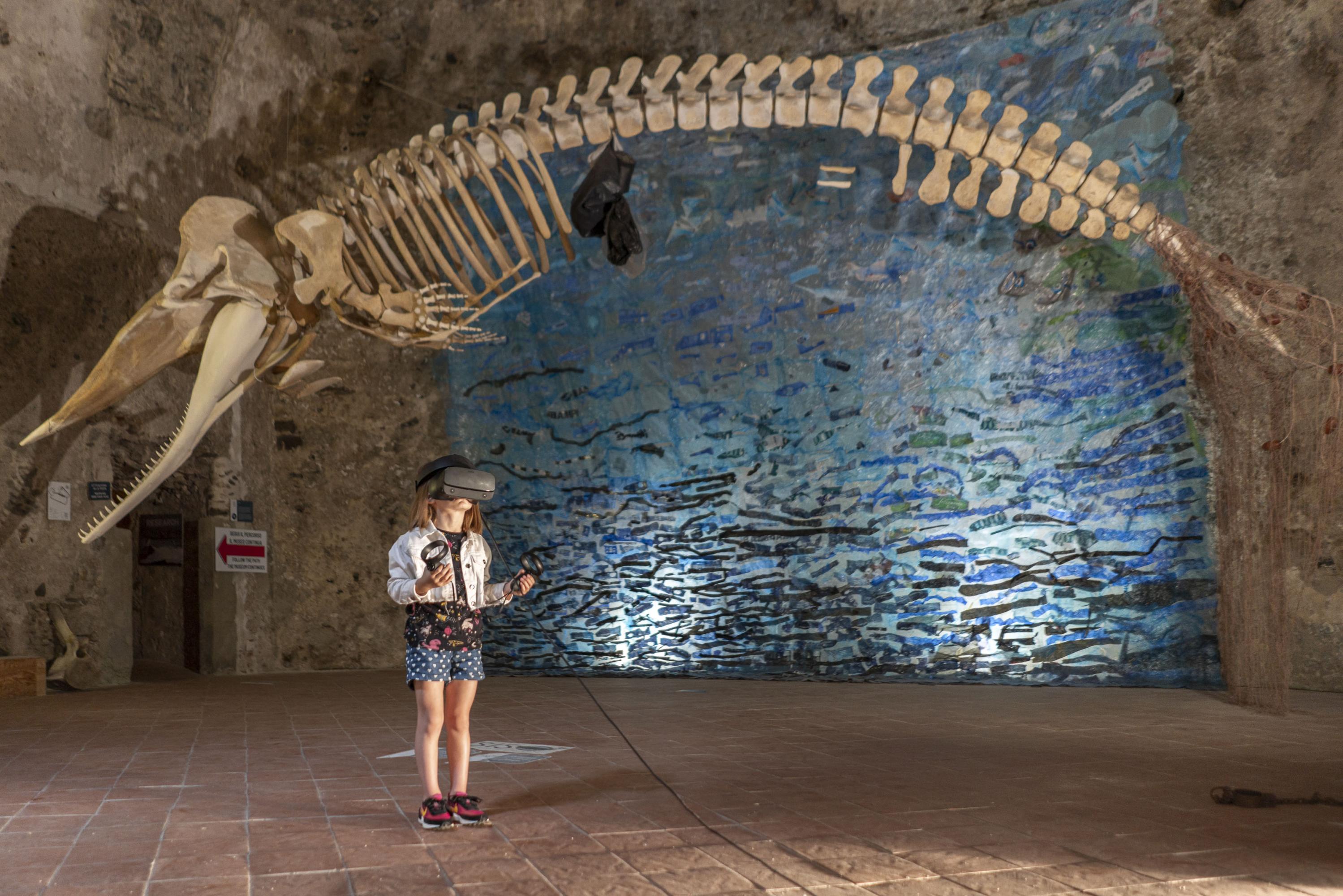
The project named “Let’s digitize MuMa” was awarded the prestigious EU4Ocean prize by the European Commission’s Directorate-General for Maritime Affairs and Fisheries (…